






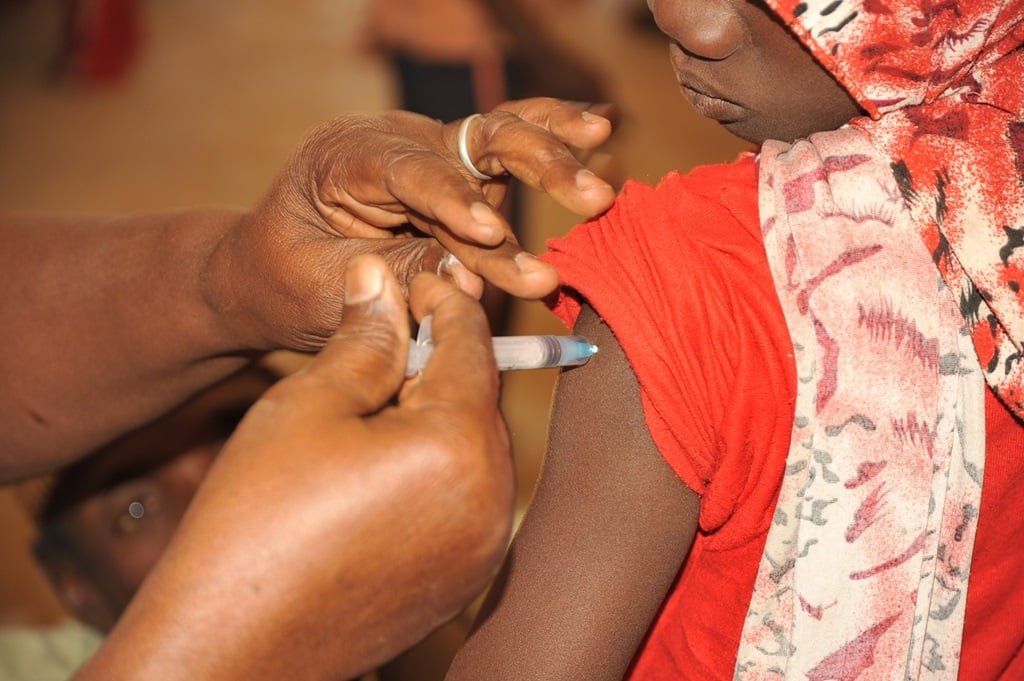
The Federal Capital Territory Primary Health Care Board (FPHCB) says all arrangements have been concluded to vaccinate more than 1.5 million children during the 2026 Maternal, Newborn and Child Health Week (MNCHW).
The Mandate Secretary, FCT Health Services and Environment Secretariat, Adedolapo Fasawe, said this during a media orientation ahead of the exercise scheduled to hold from 3 June to 7 June.
Represented by Okoli Nicholas, acting director of Primary Health Care at FPHCB, Ms Fasawe described MNCHW as a biannual high-impact programme designed to deliver essential healthcare services to families.
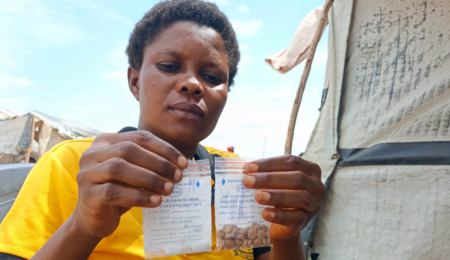
She explained that the exercise would intensify routine immunisation services, provide Vitamin A supplementation for children aged six to 59 months and strengthen child survival interventions.
According to her, children aged 12 to 59 months would receive deworming medication, while health workers would also screen for malnutrition and provide feeding and hygiene counselling.


Ms Fasawe added that pregnant women would receive antenatal and postnatal care services to improve maternal and newborn health outcomes across communities in the FCT.
“We will focus on iron-folate supplementation, malaria prevention in pregnancy where indicated, breastfeeding and newborn care counselling, and we offer family planning information and services.”
She emphasised that the media had a critical role in ensuring that families received accurate information about the programme and understood where and when services were available.
“The media’s role in this effort is pivotal. You help families know when and where to go. You build trust by sharing clear, verified information.
“You counter rumours with facts, and you shine a light on the dedication of our frontline health workers while holding us accountable,” she said.
Ms Fasawe emphasised that all services offered during the exercise would be provided free of charge to beneficiaries across the FCT and surrounding communities.
She said the programme would be implemented in all Primary Health Care Centres across the six area councils, designated outreach points and hard-to-reach settlements through mobile teams.
“Parents should bring their child’s health card; if they don’t have one, it will be provided on site. Zero-dose and defaulting children are welcome; no child will be turned away.”
She appealed to media practitioners to help disseminate the campaign messages through community radio stations, newspapers, social media platforms and programmes targeting underserved populations.
“Our appeal to you is to take these messages beyond city centres, into community radio, into neighbourhood papers, and social media groups.
READ ALSO: FG steps up Ebola preparedness, tightens border surveillance amid regional outbreak concerns
“And through programmes that reach informal settlements, rural communities and nomadic populations,” Ms Fasawe said.
In her remarks, Chinyere Ekwueme, state nutrition officer, FCT, said mobile medical teams would also visit schools, churches and mosques to ensure that eligible children received vaccinations.
She said the outreach strategy was designed to improve coverage and to reach children whose families might face challenges in accessing fixed health facilities during the exercise.
Also speaking, Umeh Chinyere, state health education officer, FPHCB, appealed to journalists to support efforts to strengthen public confidence in the board’s healthcare programmes.
She said accurate and balanced reporting would encourage greater participation in the exercise and help address misconceptions that often discouraged parents from accessing immunisation services. (NAN)
Read the full article here