




LAGOS – Manufacturers Association of Nigeria (MAN) has called on local manufacturers to partner with various stakeholders in Nigeria’s power sector to boost power and drive down energy costs.
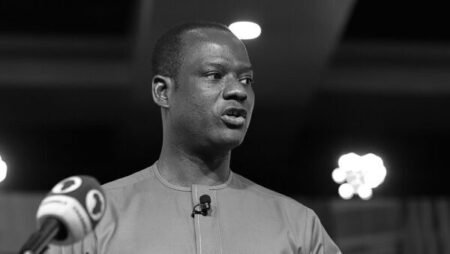
Speaking during a recent energy summit themed ‘Power Supply Adequacy for Industrial Growth in Nigeria,’ MAN president, Francis Meshioye, said energy accounts for over 30 per cent of manufacturers’ operating costs.
He noted that this has made maintaining competitiveness in business a huge challenge for manufacturers and called for strategic engagements with power industry stakeholders to find a sustainable solution to the country’s energy crisis.
He said MAN is willing to work with energy experts, share knowledge and identify innovative solutions to accelerate the journey towards energy security for manufacturers.
He noted that the country cannot drive industrialisation without adequate power supply, calling on all players to forge a united front in addressing issues limiting adequate power supply.
Group Managing Director, Income Electrix Limited, Mathew Edevbie, spoke on challenges, prospects and strategies for sustainable energy as part of ensuring energy security for manufacturers in Nigeria.
Edevbie said Nigeria currently faces a huge electricity supply deficit, which manifests in high energy demand, a huge supply-demand gap, and low grid capacity, adding that with the cost of infrastructure development, the supply-demand gap is unlikely to be resolved soon.
He noted that a limited supply from the electric grid has forced industries to self-generate electricity, lamenting that reliability, availability and cost of electricity to industries remain the bane of industrialisation in Nigeria. He disclosed that Nigeria incurs $26 billion in economic losses and manufacturers $2 billion, due to poor power supply.
He, however, expressed optimism that despite the challenges plaguing the power sector and industries in Nigeria, there exists prospects and opportunities by utilising a holistic approach to improving reliability, and availability and reducing energy spend.
According to him, the approaches include optimisation of generation sources, efficient utilisation of power and focusing on the use of low energy-consuming products.
Read the full article here