






The thyroid gland, a small butterfly-shaped organ located at the front of the neck, plays a vital role in regulating metabolism, heart rate and body temperature.
Yet thyroid disorders often go undetected, especially among women, whose symptoms are frequently mistaken for stress, ageing or normal hormonal changes.
Speaking with PT Health Watch, reproductive endocrinologist Oladapo Ashiru said women are far more likely than men to develop thyroid disorders, citing Nigerian studies that reported female-to-male ratios ranging from 6.3:1 to as high as 98:1.
According to Mr Ashiru, recognising the warning signs early is important because untreated thyroid disorders can affect fertility, pregnancy and overall quality of life.
Symptoms often overlooked
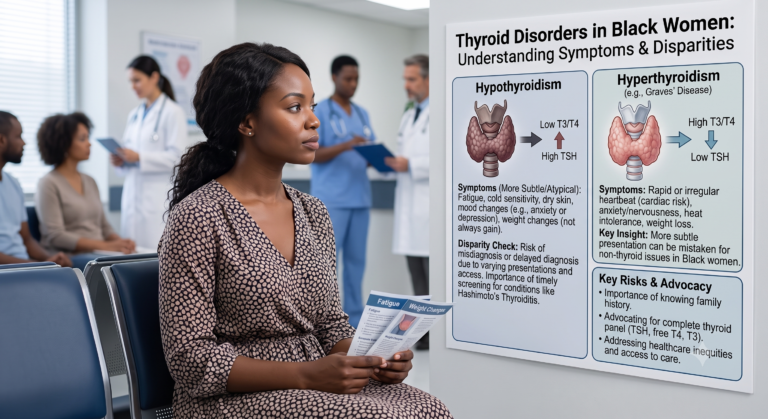
Mr Ashiru explained that thyroid disorders generally occur in two forms: hypothyroidism, where the gland is underactive, and hyperthyroidism, where it is overactive.

An underactive thyroid commonly causes unexplained weight gain, sensitivity to cold and hair thinning, while an overactive thyroid may lead to unexplained weight loss, heat intolerance and a faster metabolism.
“If the thyroid is underactive, there will be increased weight or unexplained weight gain. If it is overactive, there will be unexplained weight loss. The person may feel too cold in a normal environment if it is underactive, or too hot in a cool environment if it is overactive,” he said.
Beyond these symptoms, women may experience irregular menstrual cycles, mood changes, anxiety, depression, constipation or frequent bowel movements.
Mr Ashiru, who is the Chairman and Chief Medical Director of Medical Art Centre, said women are also more likely to experience neck tightness caused by an enlarged thyroid gland, excessive tearing and persistent symptoms even after treatment.
By contrast, men more commonly present with heart palpitations.
He explained that because many thyroid symptoms resemble those associated with stress, menopause and other everyday conditions, thyroid disorders in women are often overlooked or diagnosed late.
Effects on fertility and pregnancy
Mr Ashiru said women between the ages of 30 and 49 face the highest risk of thyroid disorders, although younger women can also be affected.
He warned that untreated thyroid disease can interfere with ovulation, increase menstrual bleeding, raise the risk of miscarriage and contribute to complications after childbirth.
Women planning pregnancy, he advised, should consider thyroid screening to detect and treat any underlying condition before conception.
The endocrinologist also highlighted postpartum thyroiditis, an inflammation of the thyroid gland that can occur after childbirth.
According to him, new mothers should not dismiss persistent exhaustion as simply part of caring for a newborn, as it may signal an underlying thyroid disorder.
Screening and healthy habits
Mr Ashiru said thyroid disorders can be diagnosed through simple hormone tests available in many Nigerian hospitals and laboratories.
He recommended routine screening, particularly for women aged 35 years and above, pregnant women and people with a family history of thyroid disease.
Although some thyroid conditions are hereditary, he said healthy lifestyle habits may help support thyroid function.
These include getting adequate sleep, managing stress, eating a balanced diet with appropriate amounts of iodine and selenium-rich foods such as eggs, fish and beans, and engaging in regular physical activity.
He also encouraged stress management through family support, prayer and relaxation techniques, including deep-breathing exercises.
Some of his recommendations, including limiting processed foods, genetically modified foods and environmental toxins, reflect his clinical opinion on factors that may influence thyroid health.
READ ALSO: PT Health Watch: Persistent fatigue, weight changes may signal thyroid disorder Expert
Early diagnosis improves outcomes
Mr Ashiru said treatment depends on the type of thyroid disorder, with many patients responding well to thyroid hormone replacement therapy or other appropriate medications.
He stressed that early diagnosis remains the most effective way to prevent complications and improve quality of life.
Describing the thyroid as a vital organ, he said it regulates reproductive hormones and supports the proper functioning of the heart, skin and other body systems.
He also warned that exposure to environmental toxins may affect thyroid function and urged people to minimise avoidable environmental risks.
Read the full article here